
Chefchaouen: Why Morocco’s Blue City Is Worth the Detour

Tucked into the Rif Mountains in northern Morocco, Chefchaouen is famous for its blue-washed medina — and it genuinely lives up to the photos. Here’s a complete guide to planning your visit.
Add Chefchaouen to your Morocco tripOur private tours from Casablanca and Marrakech include a night in the blue city, plus Fes and the Sahara.
See tours with ChefchaouenWhy Everything Is Blue
The origins are debated. The most common explanation ties the color to Jewish refugees who settled here in the 1930s, associating blue with the sky and heaven; another theory says the blue simply repels mosquitoes. Whatever the real story, walking through the old town today feels like stepping into a painting — every wall, staircase, and doorway is washed in a different shade of blue.
Getting Your Bearings
Chefchaouen splits into two parts: the New Town, where most locals actually live and work, and the Old Town (medina), which holds nearly everything you’ll want to see. Head straight for the medina — Plaza Uta el-Hammam, the main square, is the natural starting point and a good spot to orient yourself before wandering.
Top Things to Do
- Wander the medina without a plan. The real charm of Chefchaouen is simply getting lost in the steep, cobbled blue streets — locals say that’s part of the experience, not a mistake to avoid.
- Hike to the Spanish Mosque. A 30-45 minute walk from the medina brings you to this abandoned mosque with the best panoramic view over the town, especially at sunset.
- Visit Ras El Maa waterfall. A small waterfall at the edge of the medina where locals wash wool and clothes — go early morning before day-trippers arrive for a quieter visit.
- Browse the souk. Expect handwoven rugs, leather goods, and handmade soaps. Haggling is normal and expected.
- Try the local goat cheese. Chefchaouen has its own regional cheese-making tradition rarely found elsewhere in Morocco.
How Long to Stay
Two to three days is the sweet spot — enough time to explore the medina at a relaxed pace, hike to the Spanish Mosque, and take a day trip to nearby Akchour waterfalls, without feeling rushed.
Getting There
Chefchaouen sits roughly 3.5 to 4 hours from Fes and 2 to 2.5 hours from Tangier by road, which is why most travelers pair it with a wider northern Morocco route rather than visiting on its own. If you are based in Fes, you can also visit in a day with our Chefchaouen day trip from Fes. It fits well into longer Morocco tours that also include Fes and the Rif region.
Practical Tips
- Dress modestly — shoulders and knees covered is respectful, even though Chefchaouen is more relaxed than some other Moroccan cities.
- The medina is generally safe, but keep valuables close in busy market areas, as with any popular tourist spot.
- You may be offered marijuana on the street — it’s grown locally in the surrounding mountains. A polite decline is enough.
- Remember the blue doors and staircases are people’s actual homes — be considerate when photographing.
Frequently Asked Questions
Is Chefchaouen worth visiting if I only have a short Morocco trip?
If you have 7+ days, yes — it pairs naturally with Fes and northern Morocco. For trips under a week focused on Marrakech and the Sahara, it’s a harder fit given the travel distance.
Is Chefchaouen safe for solo travelers?
Yes, it’s widely considered one of Morocco’s more relaxed and safe towns, including for solo female travelers, though normal city-travel precautions still apply.
What’s the best time of day to photograph the blue streets?
Early morning, before the medina fills with day-trippers and while the light is softer — many photographers also recommend late afternoon for warmer tones on the blue walls.
Want to work Chefchaouen into your route? Send us your dates and we’ll build it into your itinerary alongside Fes and the Rif region.
Private tours that stop in Chefchaouen
Spend the night in the blue city, then continue to Fes and the Merzouga dunes with your own driver.
 Private
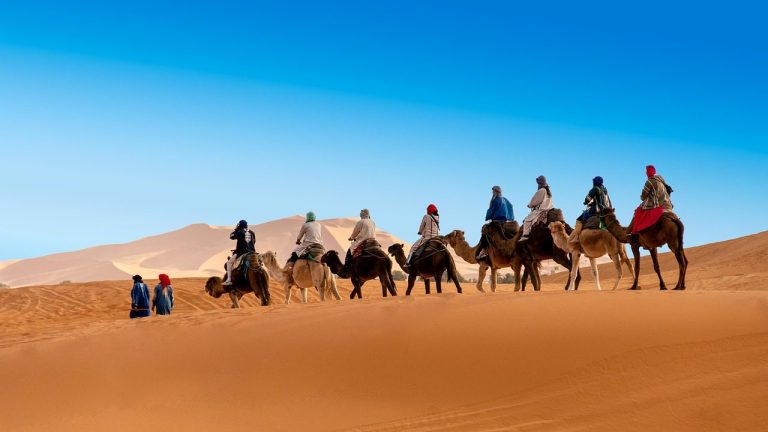
7-Day Desert Tour from Casablanca to Marrakech
Private 7-day Morocco tour from Casablanca to Marrakech via Chefchaouen, Fes, the Merzouga desert, the Dades Valley and Ait Benhaddou.
 Private
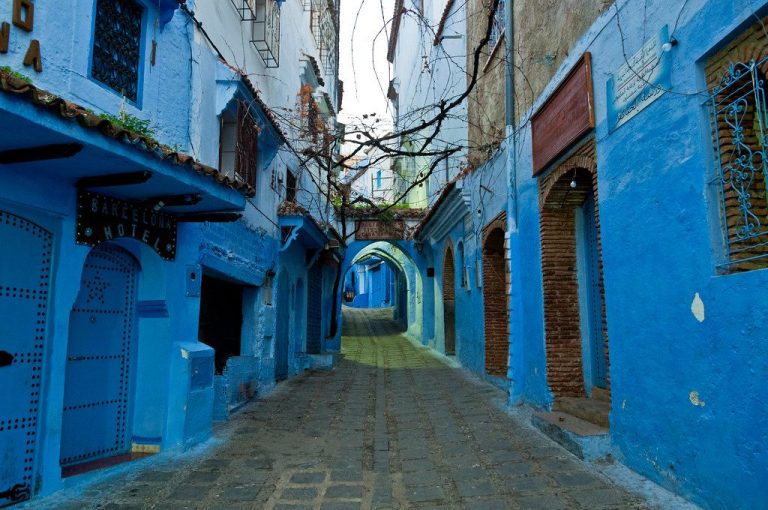
10-Day Morocco Tour from Casablanca
Private 10-day round trip from Casablanca: Chefchaouen, Fes, the Merzouga desert, the Dades Valley, Ait Benhaddou, Marrakech and Essaouira.
 Private
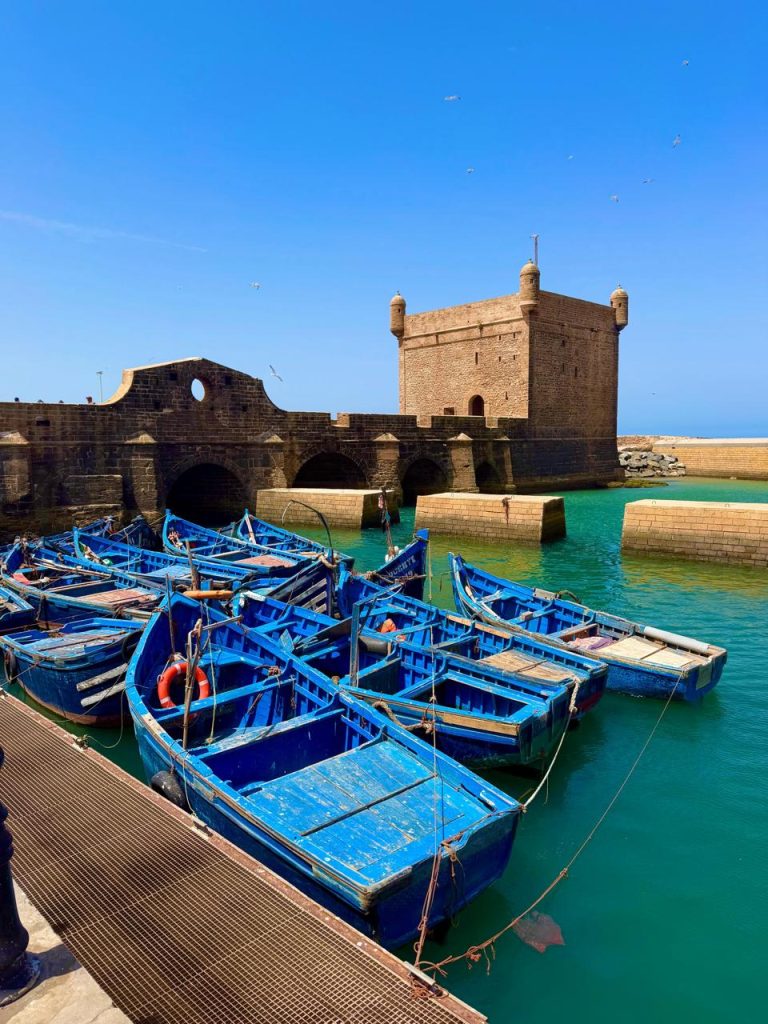
8 Days Morocco Tour from Marrakech
Private 8-day round trip from Marrakech: Sahara at Merzouga, Fes, Chefchaouen, Rabat and Casablanca, with airport transfers.