
Best Time to Visit Morocco: A Month-by-Month Guide

Morocco is a year-round destination, but picking the right month makes a real difference to your trip — especially if you’re planning to spend time in the Sahara Desert or hiking in the Atlas Mountains. Here’s a detailed, season-by-season breakdown to help you plan.
Found your month? Check availabilityWe run private and shared tours all year and adjust each route to the season. Free quote, secure PayPal deposit.
Check your datesQuick Answer
The best overall months to visit Morocco are March to May and September to November. These shoulder seasons offer warm, comfortable days (roughly 20–28°C / 68–82°F), cooler nights, and manageable desert temperatures without the extremes of summer or winter.
Spring (March–May): Peak Season for Good Reason
Spring is widely considered Morocco’s best season. Daytime temperatures generally range from 20–28°C (68–82°F) in Marrakech and Fes, the Atlas Mountains turn green with wildflowers, and the Sahara is warm during the day without the punishing summer heat. Rain is possible in April, but usually light.
Best for: Sahara Desert tours, Atlas Mountain trekking, photography, city exploration.
Summer (June–August): Hot Inland, Manageable on the Coast
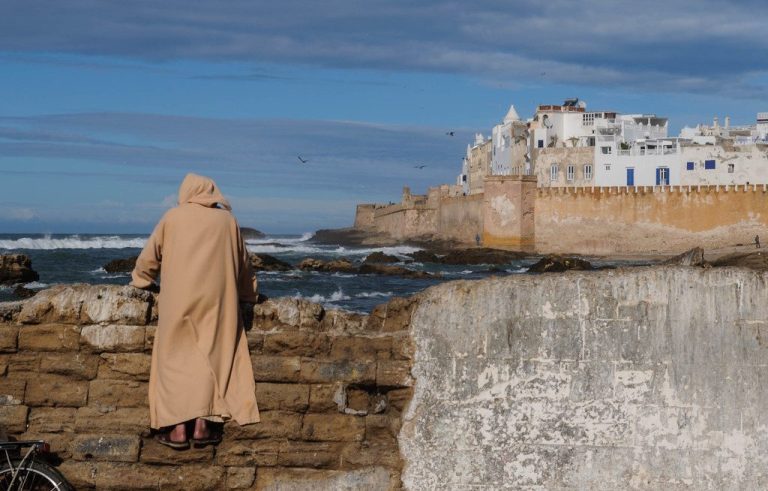
Summer brings intense heat inland — Marrakech, Fes, and especially the Sahara regularly exceed 38–42°C (100–108°F) during the day. If you’re traveling in summer, the coast is your best friend: Essaouira and other Atlantic towns stay noticeably cooler thanks to sea breezes, often 10°C+ below inland temperatures.
Best for: Coastal towns (Essaouira, Asilah), early-morning desert visits, mountain villages at altitude.
Autumn (September–November): The Quieter Shoulder Season
Autumn mirrors spring in comfort — warm days, cool desert nights, and noticeably fewer crowds than spring. Temperatures typically run 22–30°C (72–86°F) in the cities, dropping into the low teens (°C) at night in the Sahara.
Best for: Cultural tours, imperial cities (Fes, Meknes), desert camps, avoiding peak-season crowds.
Winter (December–February): Cool Days, Cold Desert Nights
Winter is mild in Marrakech and Fes during the day (roughly 12–20°C / 54–68°F) but can drop close to freezing at night, especially in the desert and High Atlas, where snow at higher elevations is common. Pack real layers — a fleece and a warm jacket, not just a light sweater — if you’re visiting the Sahara or mountains in winter.
Best for: Lower prices, fewer tourists, Atlas Mountain snow (yes, Morocco has skiing), cozy riad stays.
Frequently Asked Questions
Is Morocco too hot to visit in summer?
Inland cities and the Sahara get very hot in summer, but the coast (Essaouira, Asilah, Tangier) stays comfortable. If summer is your only option, build your itinerary around the coast and do desert visits early morning or evening.
Does it get cold in the Sahara Desert?
Yes — desert nights can drop close to freezing even when the daytime temperature was warm, especially November through February. A proper desert camp trip includes blankets, but bring a warm layer regardless of season.
What’s the rainiest time to visit Morocco?
November through February sees the most rainfall, particularly in the north (Chefchaouen, Tangier, Fes). Marrakech and the south stay comparatively dry year-round.
Whatever month you choose, our local guides adjust every itinerary for the season. Send us your dates to help you plan around the weather, or browse our private tours from Marrakech to see what’s possible year-round.
Tours that work in every season
Desert tours for spring and autumn, coastal day trips for summer, and longer loops for any time of year.
 Private
3-Day Merzouga Desert Tour from Marrakech
Private 3-day Sahara tour from Marrakech to Merzouga: Aït Benhaddou, Dadès and Todra gorges, camel ride and luxury desert camp.
 Shared
Essaouira Day Trip from Marrakech
Day trip from Marrakech to Essaouira on the Atlantic coast: argan cooperative, the fishing port, ramparts and the UNESCO medina.
 Private
6-Day Morocco Atlas Mountains, Desert & Merzouga Itinerary
Private 6-day Morocco itinerary from Marrakech to Fes through the High Atlas Mountains, Ait Benhaddou, Dades, Todra and the Merzouga desert, with a full day in Fes.